 22 Reads
How Business Travel Has Changed Over the Years
S
Sandhya Sathyanarayana
Fri, 14th Aug 2026
22 Reads Share
ShareLike
Introduction
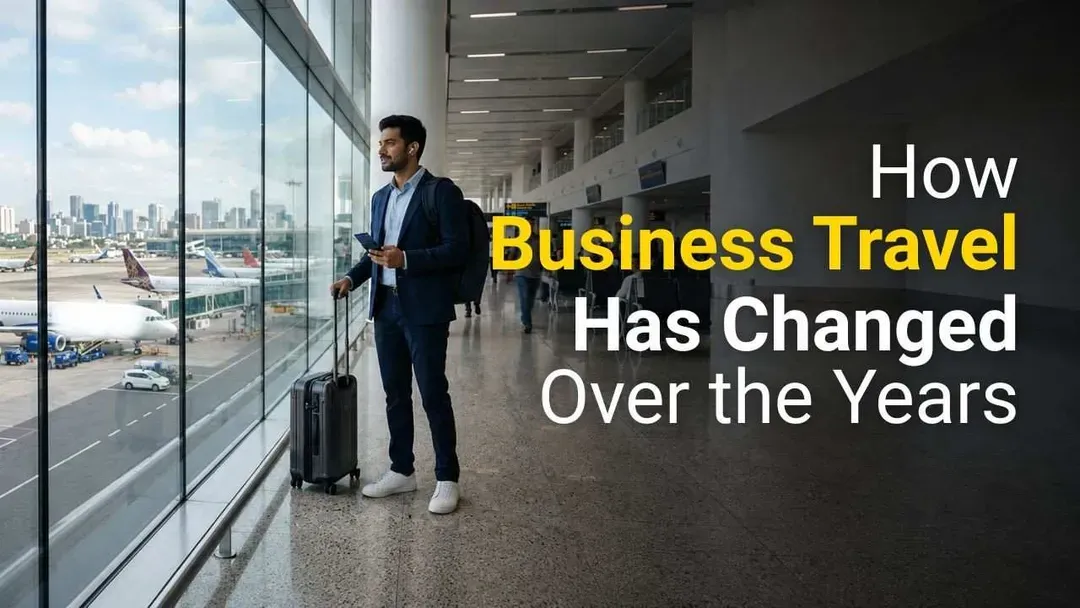
Business travel has long played an important role in helping companies build relationships, explore new markets, and manage operations across different locations.However, has changed drastically over time. What used to be a time-consuming, cumbersome affair is now much faster, more flexible, and influenced by employee friendliness and sustainability trends.
The Internet changed the booking process
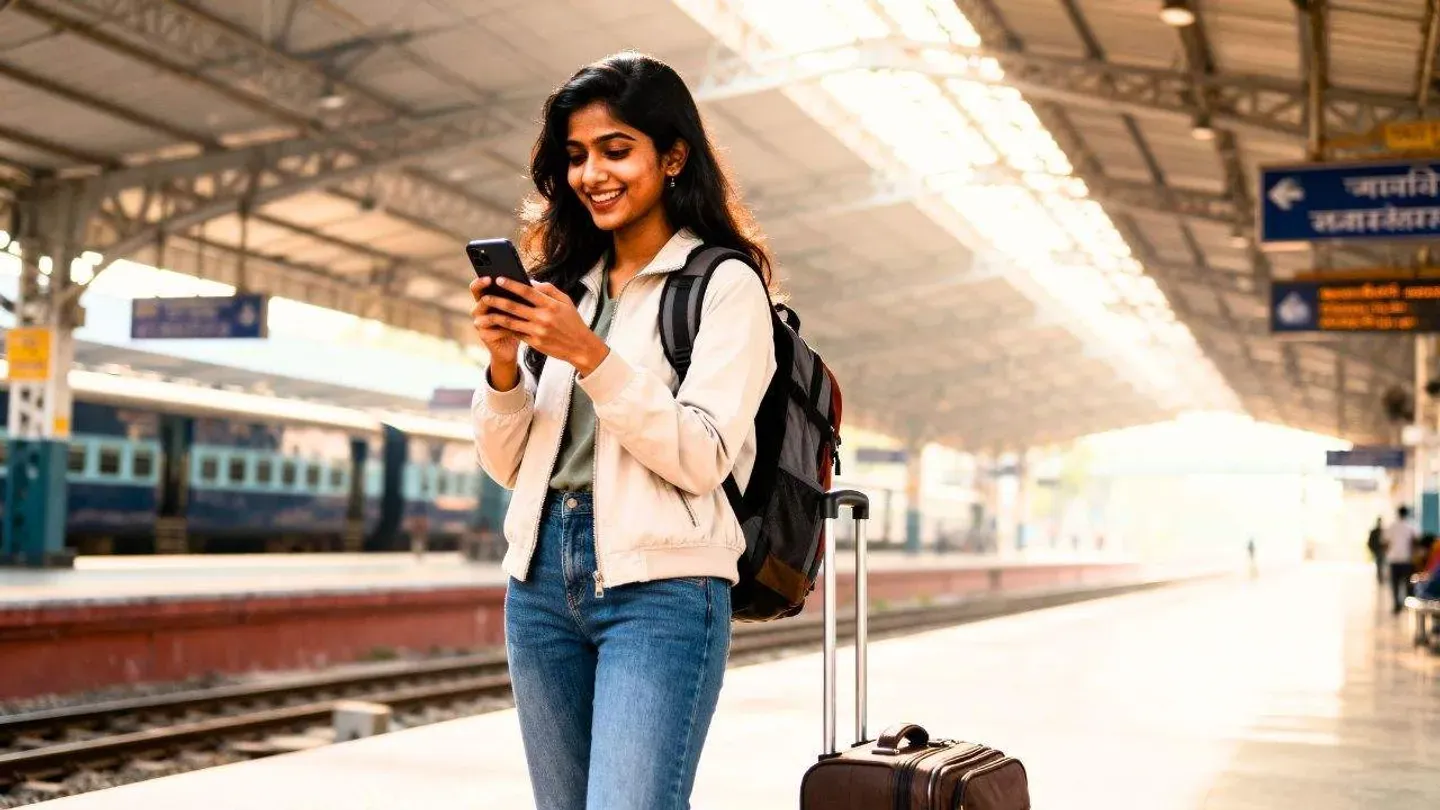
Firstly, the appearance of the Internet revolutionized booking processes. People relying on travel agents are a thing of the past, as bookings are done online. Accommodation is no different, with Bag2Bag Hotels and Homes providing a choice of options suitable for the most strenuous or irregular itineraries. This may include short-term stays during a business trip, long weekends at a destination during a layover, or extended stays before or after the main event.
Remote work redefined the need to travel
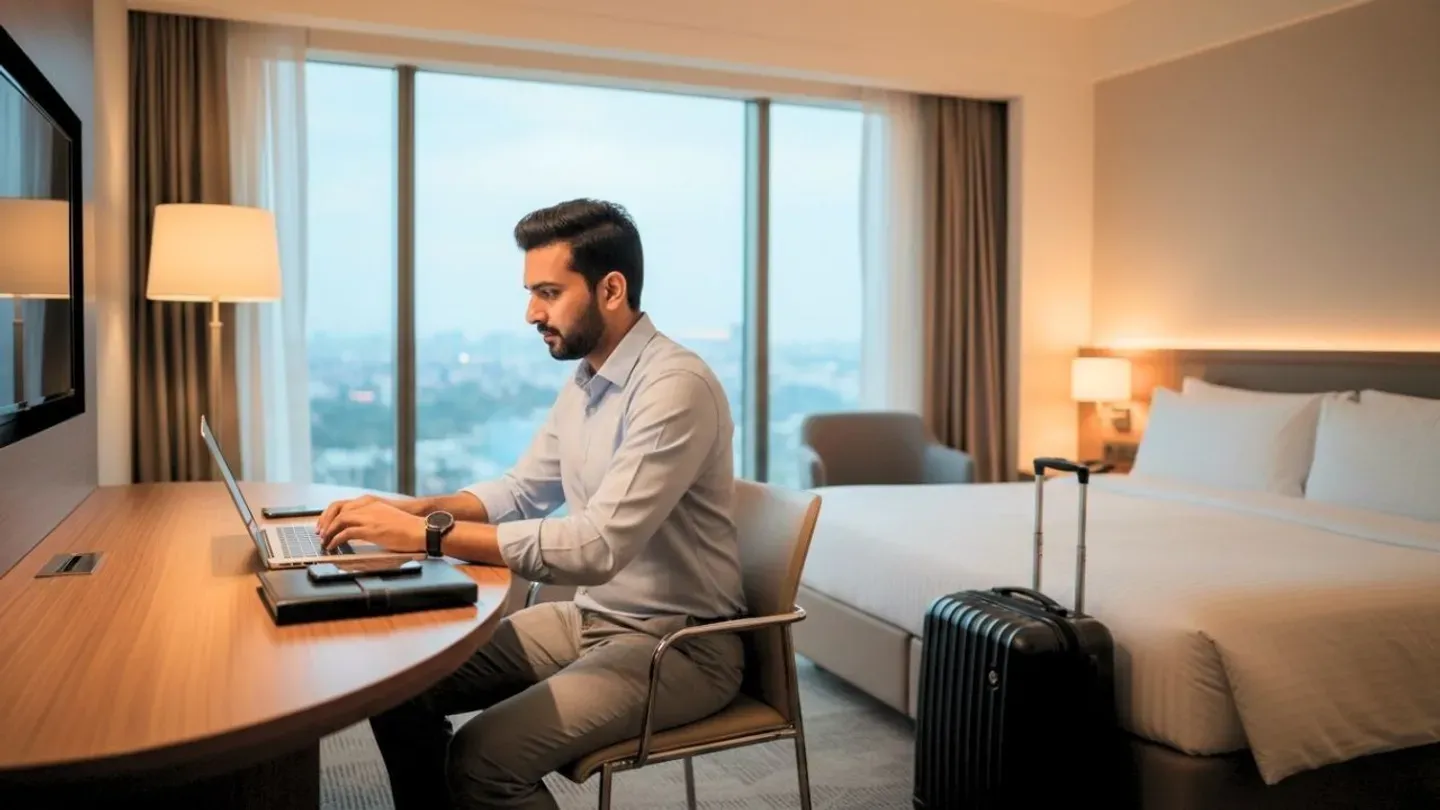
The next major change came with the invention of remote work. While video conferencing and other online collaboration tools existed long before, the global COVID-19 pandemic made them the new normal overnight. With many countries imposing strict travel bans, businesses were forced to hold meetings, training, conferences, and even negotiations online.
This experience showed businesses that many activities could be completed effectively without travel. A short internal meeting no longer automatically justified the cost of a flight and hotel stay. Companies became more selective, asking whether a trip would provide enough value to require an employee’s physical presence.
Business travel did not disappear, however. Instead, its purpose became more focused. Employees are now more likely to travel for important client meetings, team-building events, site visits, conferences, and complex discussions where personal interaction can produce better results.
The growth of “bleisure” travel
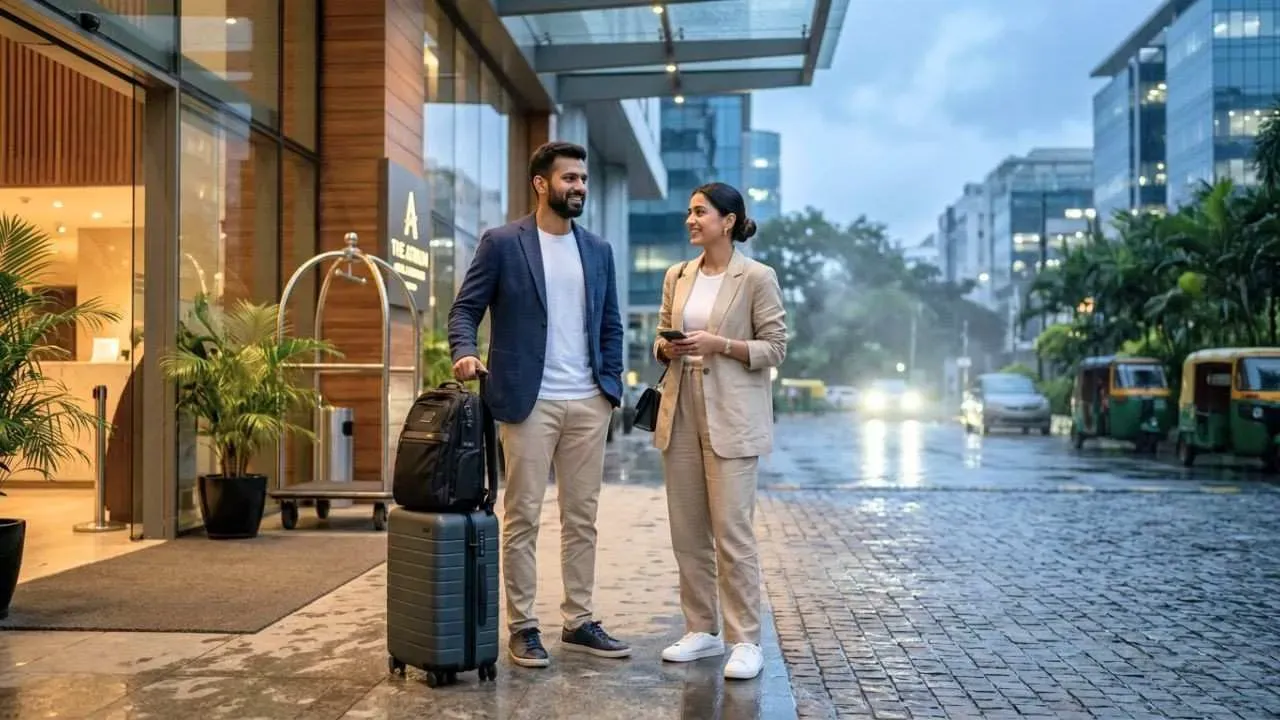
Modern employees increasingly combine business trips with personal experiences, creating a trend known as “bleisure” travel. A traveller attending a meeting on Friday might remain at the destination for the weekend, often paying the additional personal costs themselves.
Flexible and hybrid working arrangements have helped this trend grow. Some employees can work remotely for a few days before or after a business event, allowing them to explore a destination without taking a long period of leave.
A wider choice of hotels and homes can make this combination of work and leisure more convenient. Through Bag2Bag Hotels and Homes, travellers can explore accommodation options suited to the length and purpose of their visit.
This change reflects a broader shift in workplace culture. Business travel is no longer viewed only as an obligation. When managed properly, it can also support job satisfaction, cultural awareness, and a healthier balance between professional responsibilities and personal interests.
Greater attention to safety and well-being
Companies today have a stronger duty of care toward travelling employees. Travel policies increasingly address medical support, insurance, cybersecurity, emergency assistance, and the specific safety needs of different travellers.
Employee well-being has also become more important. Frequent travel can cause fatigue, stress, disrupted sleep, and difficulty maintaining personal relationships. Organisations are responding with more flexible schedules, rest periods after long journeys, suitable accommodation, and alternatives to unnecessary trips.
Choosing the right place to stay is an important part of this experience. Convenient locations, comfortable facilities, and accommodation suited to the traveller’s schedule can help make a demanding work trip more manageable.
Instead of measuring success by the number of meetings attended, many companies now consider whether travel is productive, safe, and reasonable for the employee.
Conclusion
The future will probably combine physical travel with virtual collaboration. Artificial intelligence may simplify booking, predict disruptions, recommend efficient itineraries, and help companies manage costs. Biometric identification, contactless services, and smarter airports may make journeys faster and more personalised.
Over the years, the methods, expectations, and purpose of business travel have changed significantly. Today’s successful trip is not simply about reaching a destination. It is about creating meaningful results while balancing cost, convenience, employee well-being, and environmental responsibility.
You may also like:


FOLLOW US ON


How Business Travel Has Changed Over the Years
Fri, 14th Aug 2026 (last modified Fri, 14th Aug 2026 )
by Sandhya Sathyanarayana