 51 Reads
Why Travelers Now Choose Experiences Over Hotel Brands
S
Sandhya null
Wed, 4th Mar 2026
51 Reads Share
ShareLike
Introduction
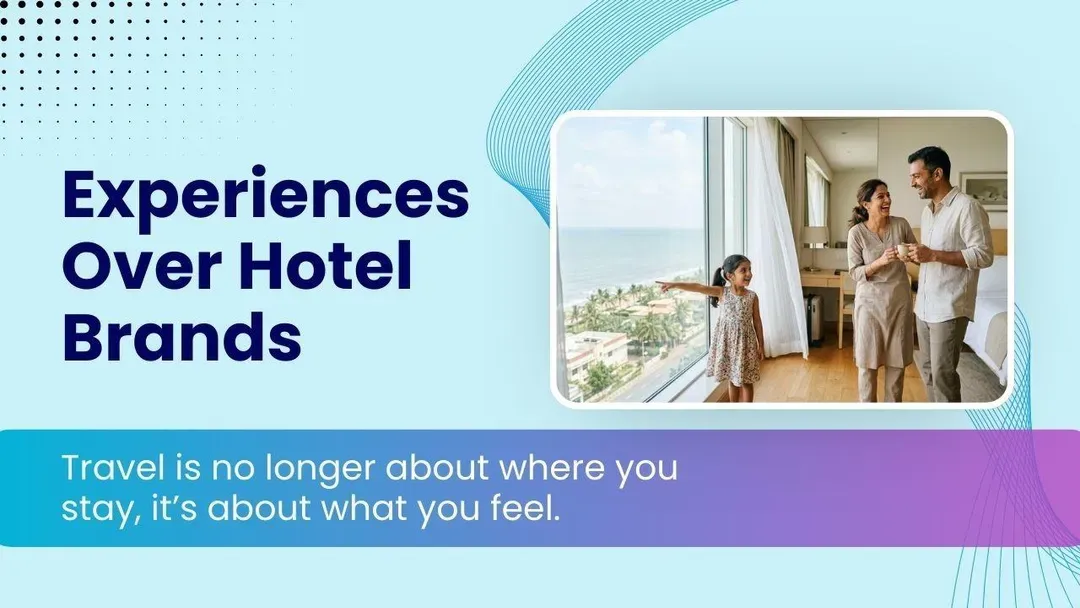
It’s no secret that brands were once the main reason travelers picked a hotel. A recognizable name signalled trust, consistency, and quality. Be it for a business trip or a family vacation, guests often choose familiarity over experimentation. But today, that dynamic is changing rapidly. Modern travelers are no longer asking, “Which hotel brand should I book?” Instead, they’re asking, “What kind of experience do I want to have?”
The shift from brand-first to experience-first travel marks a defining transformation in the hospitality industry. Powered by digital discovery, social media influence, and evolving lifestyle preferences, travelers are prioritizing meaningful moments over logos.
The Rise of Experience-Driven Travel
Travel is no longer just about accommodation, it's about experience. Guests want their stay to feel personal, purposeful, and memorable. A hotel room is no longer the destination; it’s part of a larger journey.
Today’s travelers look for:
- Unique design and ambiance
- Local culture integration
- Instagram-worthy spaces
- Curated food and dining experiences
- Wellness, leisure, and recreational options
- Short-format stays like daycations and staycations
This shift reflects a broader cultural movement. People increasingly value experiences over possessions. A thoughtfully designed resort stay or a relaxing poolside daycation often creates more lasting memories than simply checking into a well-known brand.
Social Media Has Redefined Influence
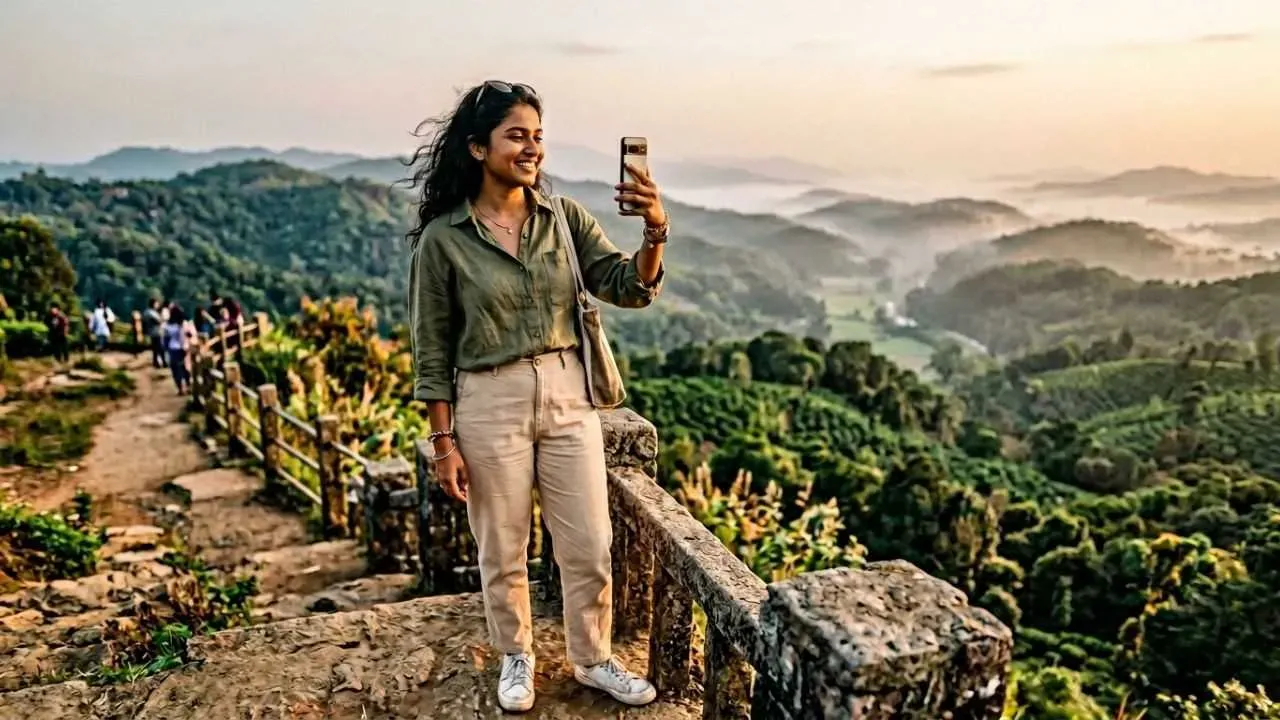
Platforms like Instagram and YouTube have changed travel behavior. Travellers now rely more on influencer recommendations, and real-time reviews.
Visual storytelling plays a powerful role. A rooftop sunset, a chic café corner, or a luxury bathtub overlooking the city skyline often influences booking decisions more than brand loyalty.
Travel decisions are now emotional and visual. If a property offers aesthetic appeal and shareable moments, it gains attention , regardless of whether it belongs to a global chain or an independent modest property.Modern travelers want:
- Flexible check-in formats
- Day-use room options
- Staycations tailored for couples or families
- Custom stay packages
- Workspace-friendly rooms for remote professionals
Instead of fitting into predefined hotel rules, guests prefer properties that adapt to their schedules and needs. Experience-led platforms are enabling this flexibility by offering curated combinations rather than just fixed room nights.
The Growth of Micro-Travel and Urban Escapes
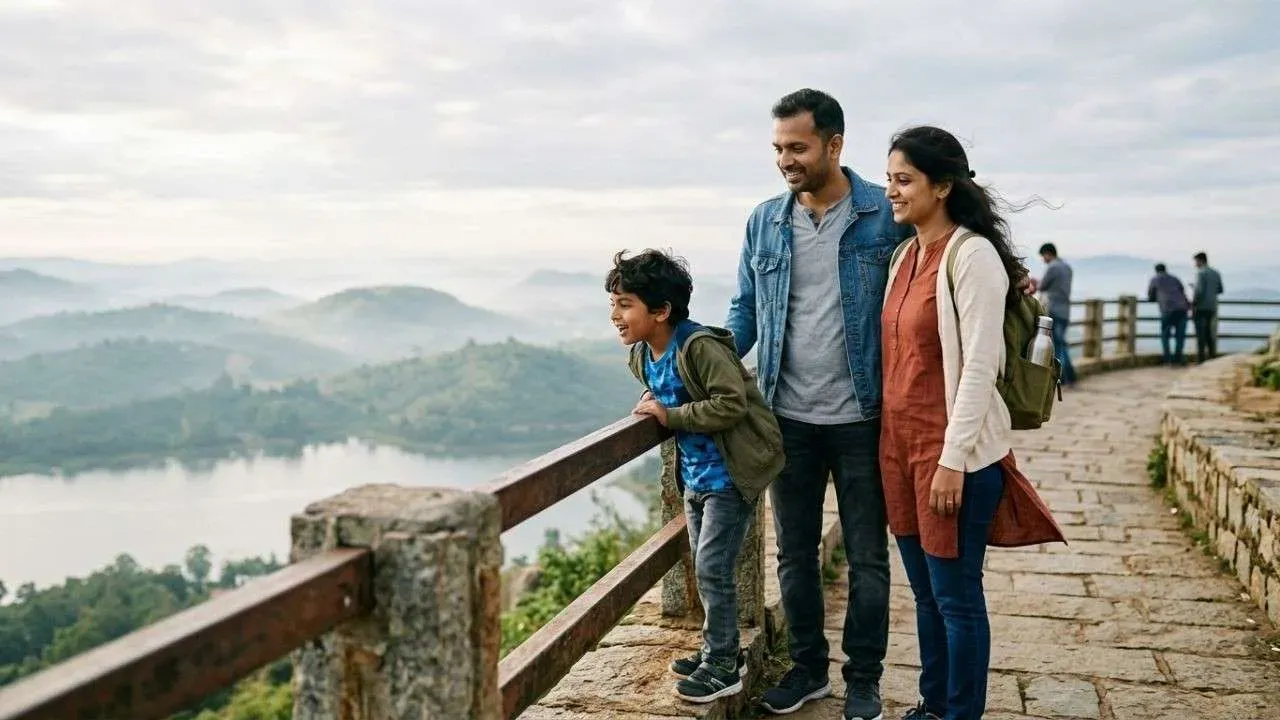
The pandemic accelerated the trend of local travel and short breaks. Staycations, day-use hotel bookings, and weekend getaways have become mainstream.
Many travelers now book hotels not for overnight stays but for:
- Celebrations and birthdays
- Work-from-hotel days
- Pool access and leisure breaks
- Romantic day experiences
- Family relaxation time
These bookings are experience-centric, not brand-centric. Guests focus on what they can do at the property rather than who owns it.
Value Is Measured in Experience, Not Logo
Earlier, premium pricing was often justified by brand reputation alone. Today, travelers assess value differently.
They evaluate:
- Ambience and design
- Amenities like pools and spas
- Dining quality
- Customer service reviews
- Overall vibe
If a lesser-known property delivers a better experience at a competitive price, it often wins over a bigger brand with a generic offering.
This democratisation of choice has empowered independent hotels and boutique properties, giving them equal visibility alongside established chains.
Technology Has Shifted Discovery Power
Search filters such as:
- Hotels with swimming pools
- Pet-friendly stays
- Couple-friendly hotels
- Budget-friendly hotels
- Business hotels with meeting rooms
allow travelers to refine choices based on experience categories rather than brand names.
With intelligent search capabilities and data-driven recommendations, travelers can find exactly what fits their needs , whether it’s a luxury resort or a stylish independent stay.
Hospitality Is Becoming Experience-Led

The hospitality industry is transitioning from product-led to experience-led consumption. Earlier, hotels primarily sold rooms. Now, they sell moments.
This transformation includes:
- Curated staycation packages
- Celebration add-ons
- Day-use access models
- Wellness retreats
- Hybrid workspaces
Platforms that enable structured, flexible, and personalized experiences are shaping this next phase of hospitality.
The future traveler will continue to ask:
- Does this stay match my purpose?
- Does it enhance my trip?
- Does it offer something unique?
Conclusion
As digital discovery expands and traveler expectations grow more nuanced, experiences have become the primary currency of hospitality. From boutique properties to structured day-use formats and curated urban escapes, guests are choosing relevance over recognition.
The era of experience-first travel is evolving. In this transformation lies a powerful opportunity for hospitality innovators to redefine how travelers engage with hotels not just as places to stay, but as spaces to live, celebrate, work, and unwind.
It's no doubt that the future of travel belongs to experiences.


FOLLOW US ON


Why Travelers Now Choose Experiences Over Hotel Brands
Wed, 4th Mar 2026 (last modified Wed, 4th Mar 2026 )
by Sandhya null